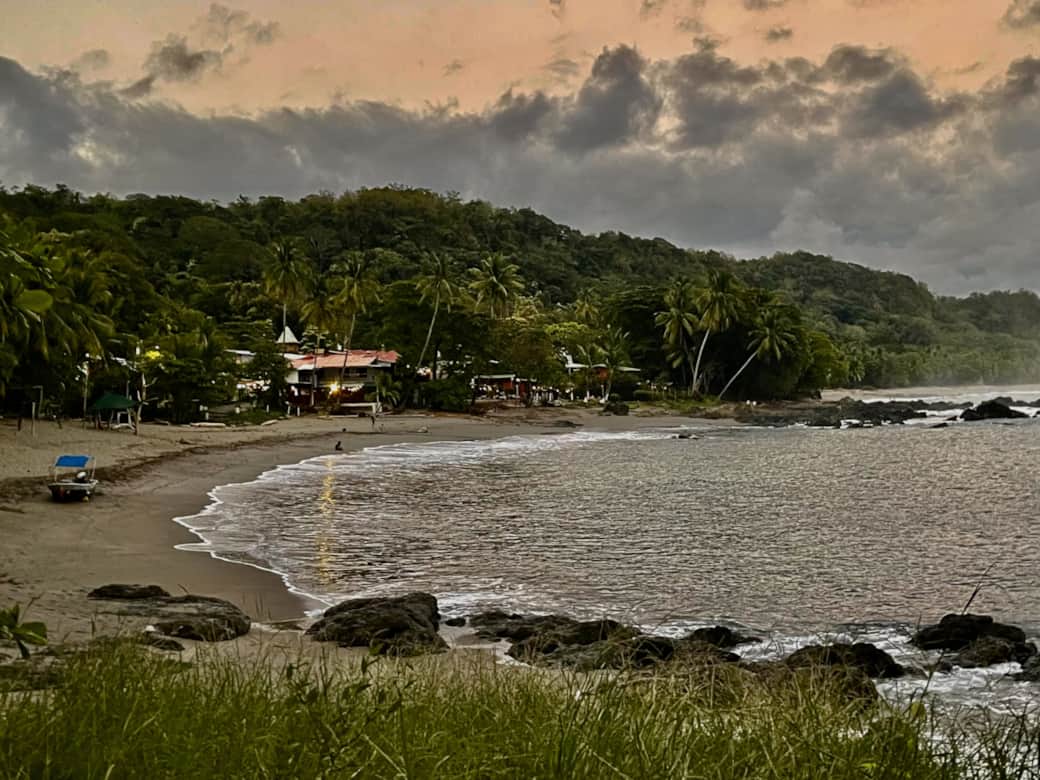
The story of Montezuma
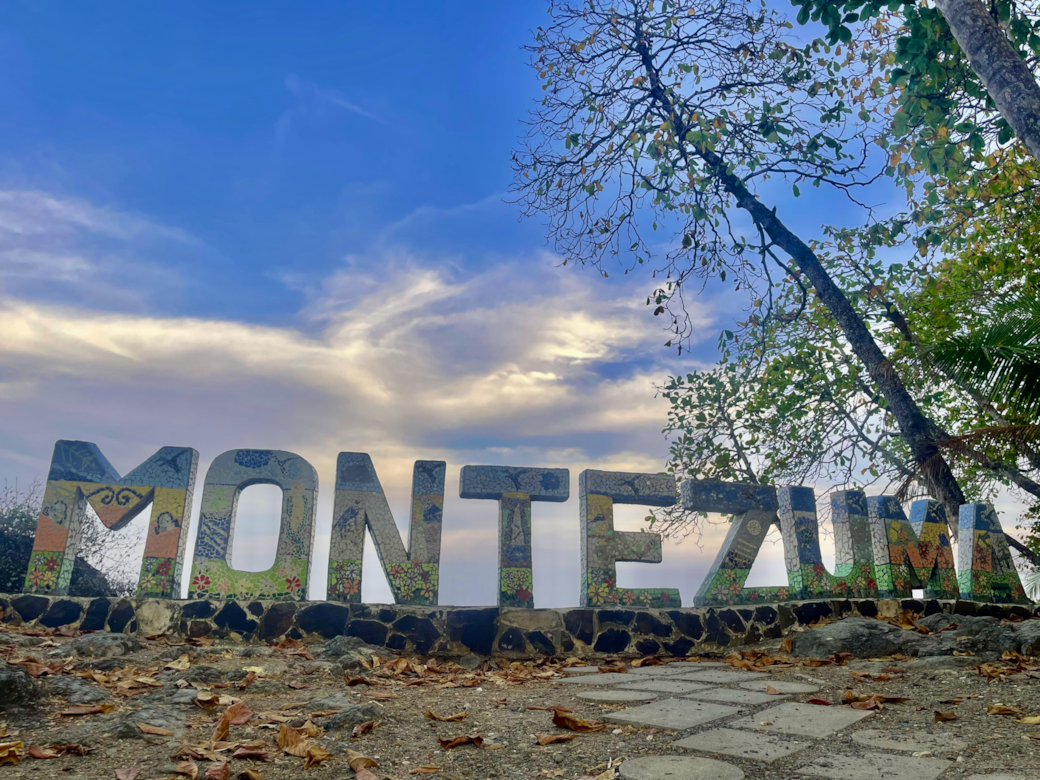
Montezuma, Costa Rica, tucked along the southern tip of the Nicoya Peninsula, carries a rich and quietly fascinating history shaped by nature, resilience, and free-spirited pioneers.
Indigenous Roots
Long before Montezuma became a bohemian beach town, the area was home to Indigenous peoples of the Nicoya Peninsula, most notably the Chorotega. These communities thrived through agriculture, fishing, and trade, leaving behind stone spheres, ceramics, and farming traditions that still influence Costa Rican culture today. The peninsula itself was culturally closer to Mesoamerica than to much of Costa Rica, which explains the presence of corn-based diets, cacao, and strong communal traditions.
Spanish Arrival and Isolation
When the Spanish arrived in the 16th century, the Nicoya Peninsula was sparsely populated compared to other regions. The rugged terrain, limited roads, and seasonal rivers kept areas like present-day Montezuma largely isolated. Unlike towns such as Nicoya or Santa Cruz, Montezuma remained a remote coastal settlement, used mainly by fishermen and small farming families. This isolation would later become one of its greatest charms.
Fishing Village Days
For much of the 19th and early 20th centuries, Montezuma was little more than a quiet fishing village. Life revolved around the ocean, rivers, and surrounding jungle. Families lived simply, traveling by boat or on foot, and relying on the land and sea. There was no electricity, no paved roads, and very little connection to the outside world.
The Hippie Era (1960s–1980s)
Montezuma’s modern identity began to take shape in the late 1960s and 1970s when adventurous travelers, artists, and free spirits discovered the area. Drawn by its waterfalls, beaches, and sense of freedom, many stayed. These early settlers embraced alternative lifestyles, sustainability, yoga, art, and communal living long before such ideas were mainstream. Montezuma earned its reputation as one of Costa Rica’s most eclectic and soulful communities.
Eco-Conscious Growth
As Costa Rica gained international attention in the 1990s for its biodiversity and peaceful way of life, Montezuma slowly developed. Small hotels, eco-lodges, yoga retreats, and cafés emerged, often built with environmental respect in mind. Even as tourism grew, the town resisted large-scale development, preserving its walkable streets, jungle surroundings, and artistic spirit.
Montezuma Today
Today, Montezuma is known for its creative energy, wellness culture, and deep connection to nature. The famous Montezuma Waterfalls, Cabo Blanco Nature Reserve nearby, and the surrounding beaches continue to define daily life. While visitors arrive from all over the world, the town remains grounded in its roots: simple living, respect for the environment, and a strong sense of community.
Montezuma’s history is not about grand empires or fast growth. It’s a story of patience, natural beauty, and people choosing a different rhythm of life—one that continues to inspire anyone who finds their way to this magical corner of Costa Rica.